
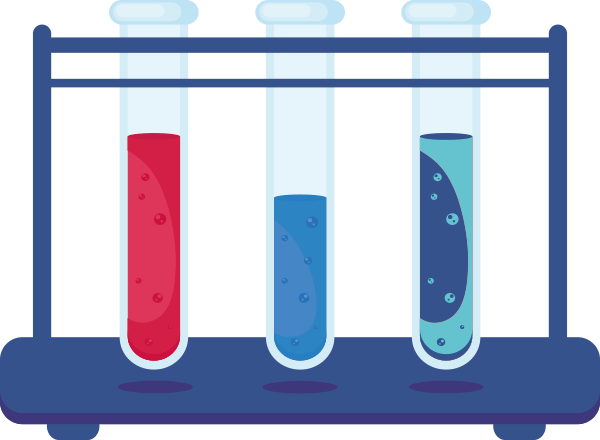
Once the sample is collected, it is sent to a laboratory for analysis. The laboratory testing process varies depending on the type of sample and the substances being screened. Immunoassay techniques are often used as a preliminary screening method due to their speed and cost-effectiveness. Samples that test positive during the initial screening are subjected to more specific confirmatory tests, such as gas chromatography-mass spectrometry (GC-MS) or liquid chromatography-tandem mass spectrometry (LC-MS/MS), which provide precise identification and quantification of drugs or metabolites.
This may sound complicated, but we make drug testing in Ocala, Florida a breeze.
After the laboratory analysis, the results are interpreted by trained professionals. It's important that results are reviewed carefully to account for any potential false positives or external factors that could influence the outcome. The individual or organization conducting the drug test then receives the results, which may indicate the presence or absence of specific substances based on predetermined cutoff levels.
Drug testing processes are often governed by strict regulations to protect individuals' rights and ensure fairness. For example, in workplace settings, drug testing policies should be clear and consistent, with mechanisms in place to handle disputes or challenges to results. Ethical considerations also play a crucial role, particularly concerning privacy and confidentiality.
In conclusion, drug testing involves a comprehensive process from specimen collection to laboratory analysis and result interpretation. This process serves multiple purposes, including promoting safety, deterring substance abuse, and maintaining compliance with regulations. Understanding the intricacies of drug testing is essential for both individuals subject to testing and organizations implementing these protocols.